
Longevity Isn't Bought. It's Recovered.

For decades, longevity was sold as a supplement stack a longer list of pills, a stricter protocol, another biomarker to optimize. But the science has quietly shifted. The single strongest predictor of how well we age isn't what we add to our bodies. It's how often we let them recover.

Chronic, low-grade stress — the kind that never fully switches off between meetings, screens, and cities keeps the nervous system locked in a state of alert. Cortisol stays elevated. Sleep architecture degrades. Cellular repair, the quiet nightly work that keeps us young, gets interrupted before it finishes. Over years, this isn't just fatigue. It's accelerated aging, measurable in inflammation markers, in telomere length, in the very speed at which the body wears down.
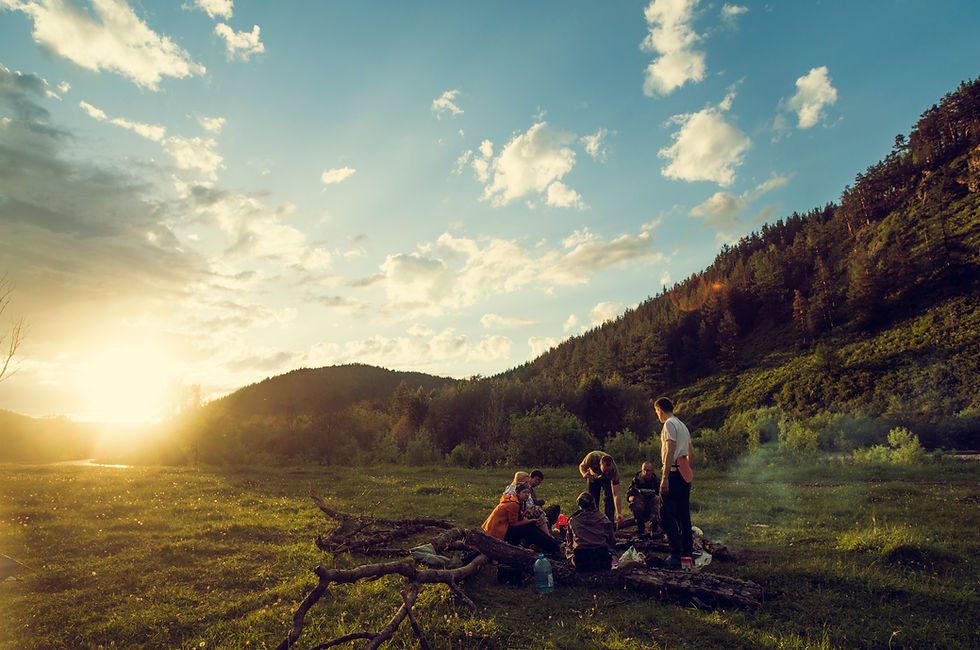
The people most exposed to this pattern founders, executives, decision-makers carrying constant cognitive load are often the least able to switch it off. Willpower doesn't regulate a nervous system. Rest does. Not a weekend of sleeping in, but a deliberate, physiological reset: silence, nature, and the kind of stillness the body doesn't get to choose for itself in ordinary life.

This is where longevity stops being a lab result and becomes an experience. A 48-hour reset in mountain air, away from signal and schedule, does something a supplement cannot — it interrupts the stress loop long enough for the body to remember how to repair itself.
That is the idea behind our Quiet State the Pine Resonance Retreat: two days of forest, breathwork, and sound designed to bring the nervous system back to baseline, so the body can do what it already knows how to do. Longevity, after all, begins with rest.


Comments